Branch360 - A Sustainable Solution for Amputees and Prosthetic Clinics
Authors
Jingwei Kang
Alice Scalfi
Ryan Therrien
A thesis submitted to the faculty at the University of Bridgeport in partial fulfillment of the requirements for the degree of Master of Professional Studies in the Design Management Program at the Shintaro Akatsu School of Design.
Written in 2017 under the direction of Dilek Onder (Katgi)
Approved by Dilek Onder (Katgi) and Alex W. White
The inspiration for this thesis started with the question of what challenges children who need to wear a prosthetic face. The research initially focused on this topic and was presented for consideration during Faculty Research Day at The University of Bridgeport. UB Faculty Research Day provides a place and time to show the results of faculty and student research from the past academic year. It is also an opportunity to share innovative ideas. Faculty and student collaborators are encouraged to submit posters highlighting completed and ongoing research projects. The poster below earned our team 3rd place that year and led us to broaden the scope of our research to include adults as well.
The following is an excerpt from the introduction of the full body of work which is best viewed in its final published format. The full thesis document can be reviewed here.
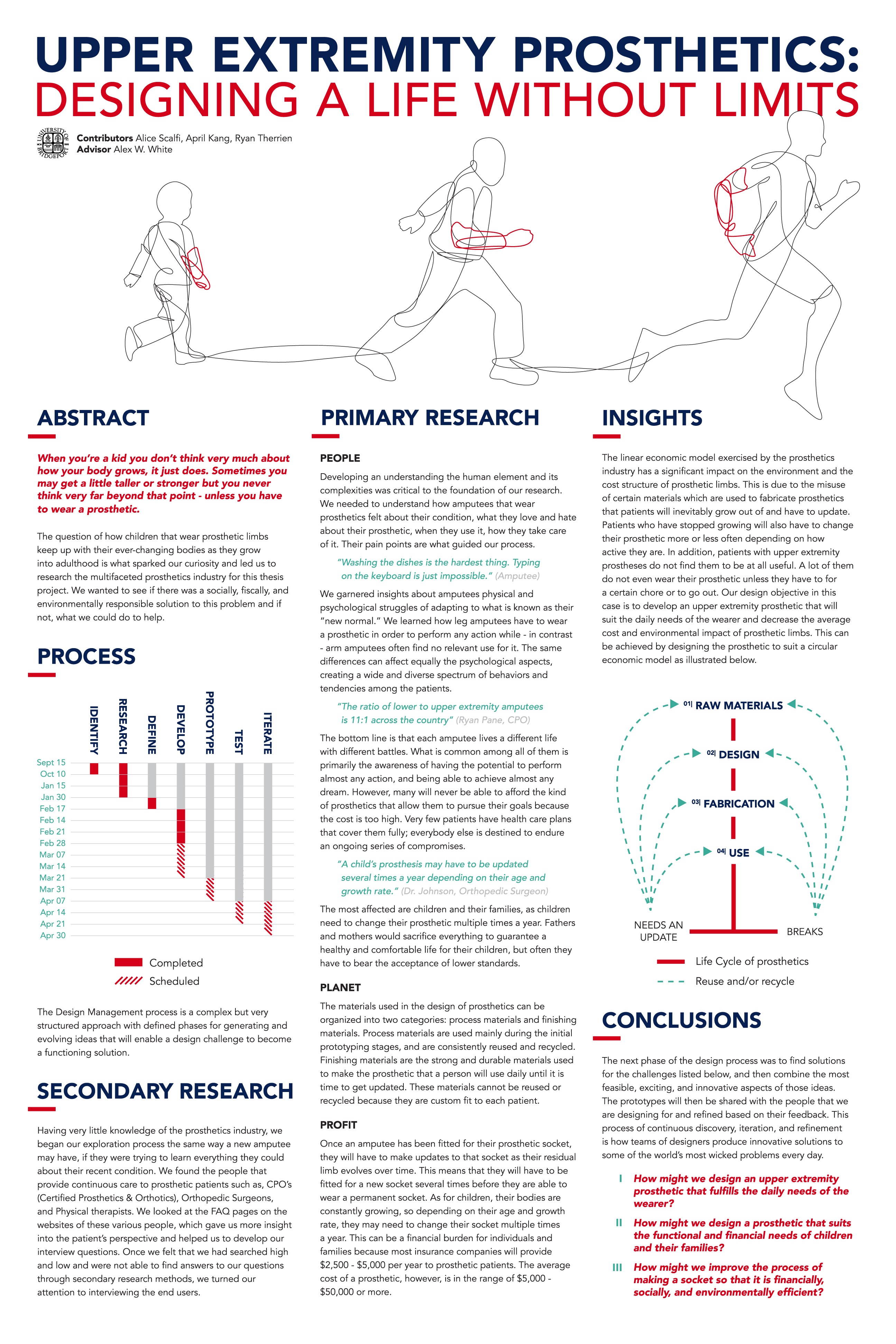
A poster submitted for consideration as part of Faculty Research Day at The University of Bridgeport, showing how this project began before we broadened our research to include adults.
For centuries people have been developing prosthetics that attempt to mimic the anatomical characteristics of the human body.
According to the National Center for Health Statistics, 50,000 new amputations are performed annually in the United States alone. Seventy-seven percent of these are caused by traumatic accidents, as opposed to congenital or chronic conditions. Situations ranging from automotive, agricultural, and manufacturing accidents, to a child playing with firecrackers, affect this statistic. Once someone has lost a limb, their life changes forever and they must learn how to adjust to their “new normal”—life with a prosthetic.
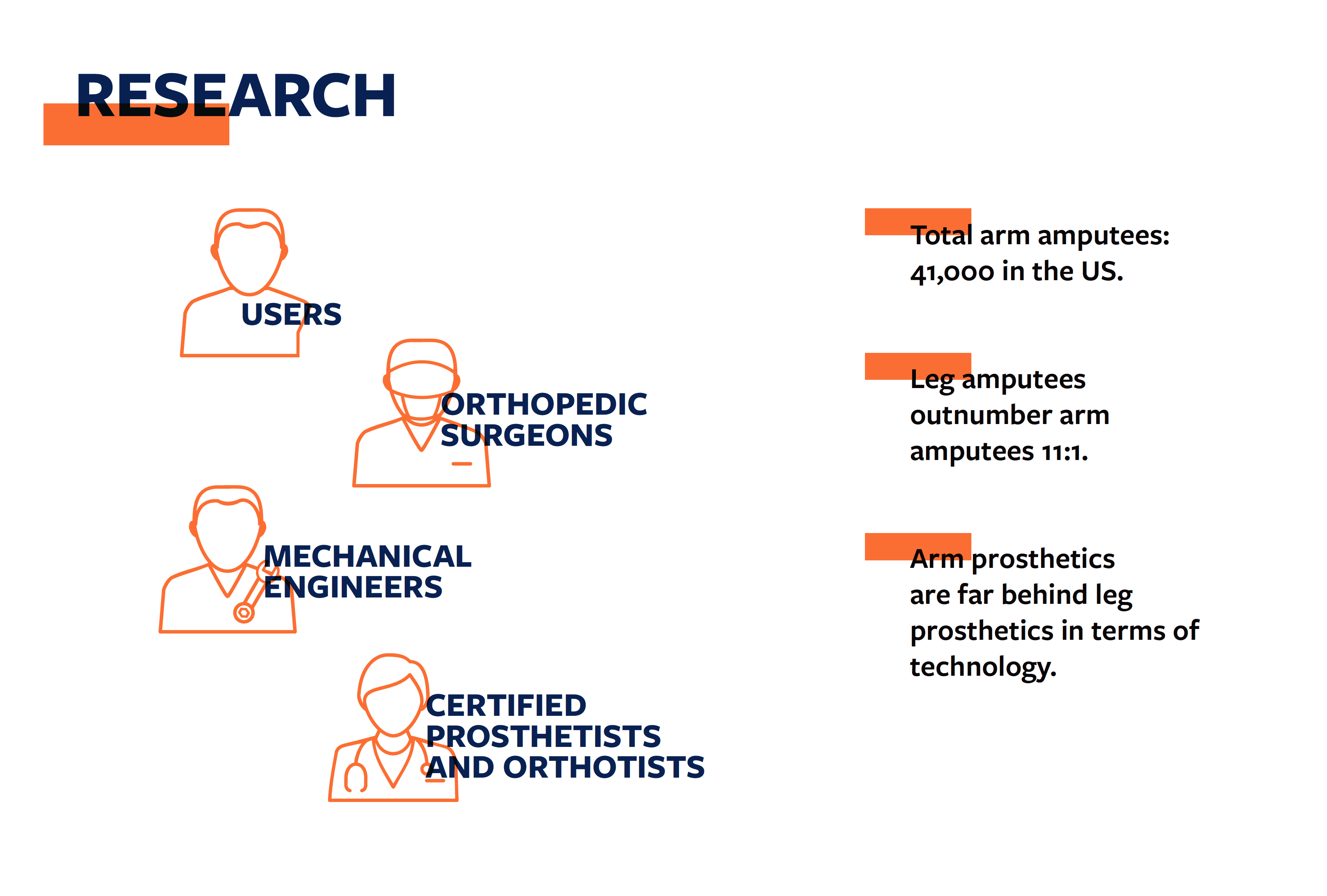
An overview of some insight from our interviews with stakeholders.
According to the National Center for Health Statistics, 50,000 new amputations are performed annually in the United States alone. Seventy-seven percent of these are caused by traumatic accidents, as opposed to congenital or chronic conditions. Situations ranging from automotive, agricultural, and manufacturing accidents, to a child playing with firecrackers, affect this statistic. Once someone has lost a limb, their life changes forever and they must learn how to adjust to their “new normal”—life with a prosthetic.
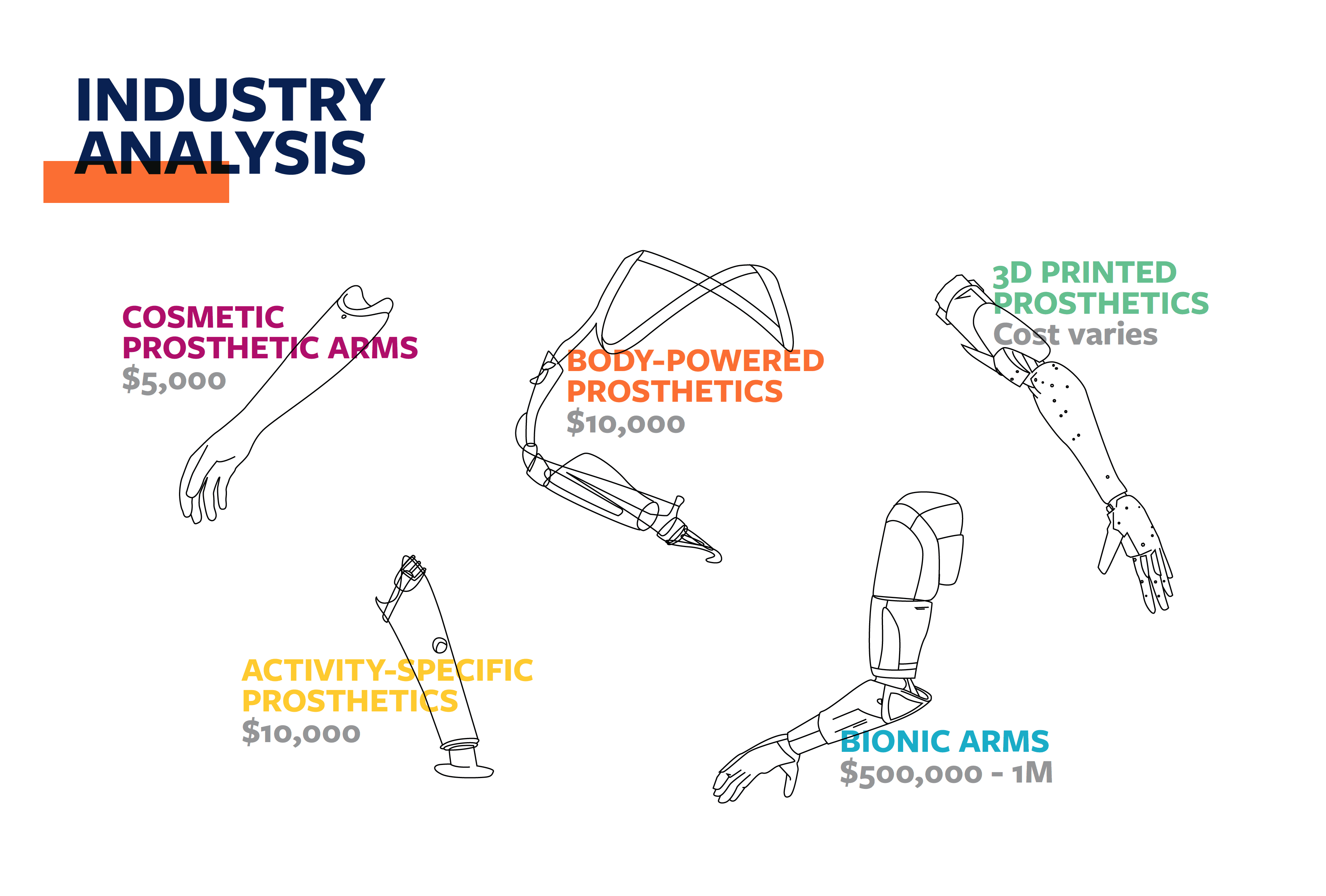
This industry analysis shows why the most effective prosthetics are inaccessible for most people.
Based upon insight gleaned from end users of prosthetic technology, current prostheses are subpar in function, which leads some amputees to forgo their use entirely. These design flaws stem from a lack of understanding by prosthetic designers of the practical challenges of living as an amputee.
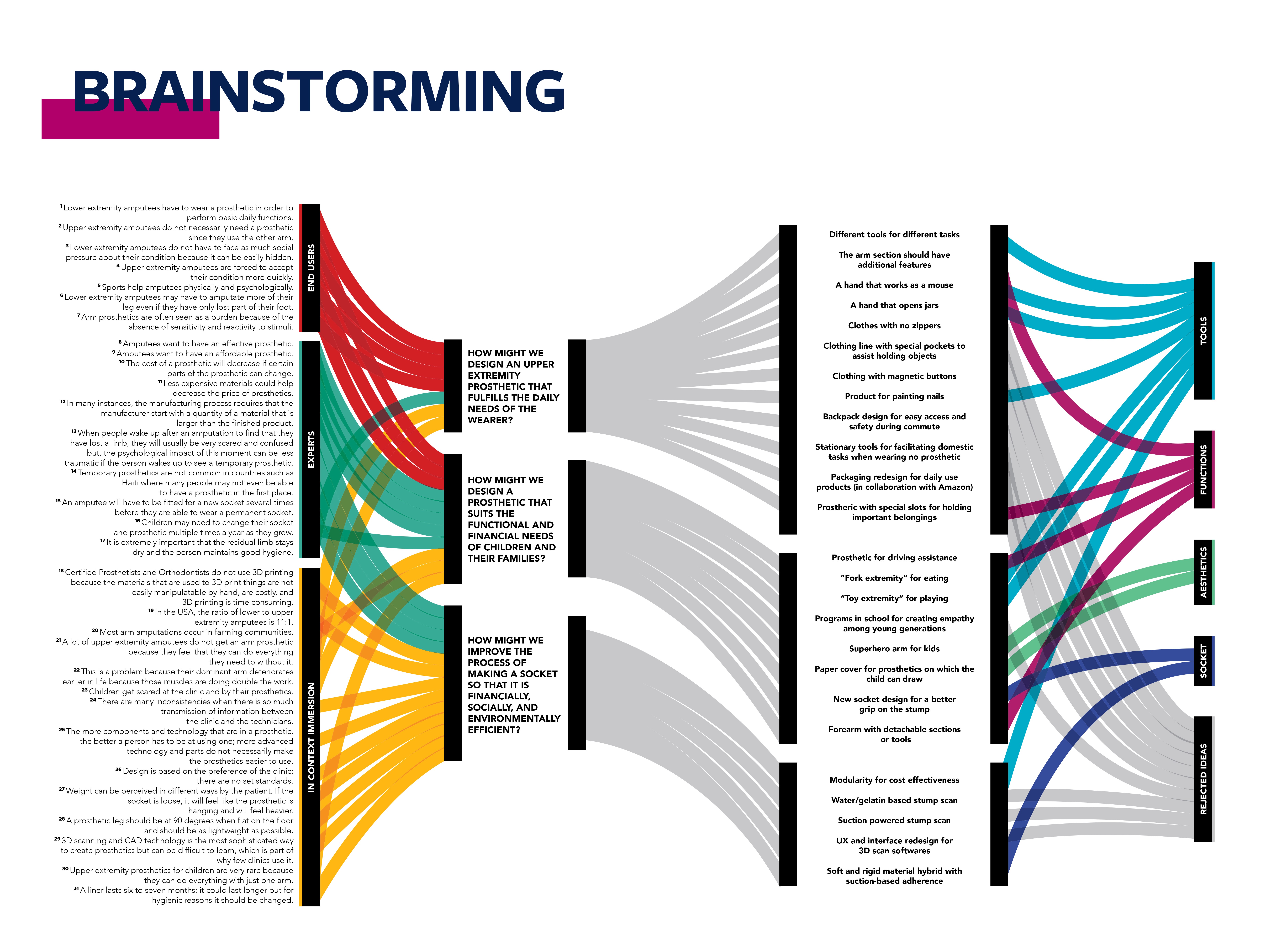
An overview of how we disseminated the insights from the research into the concepts presented in the thesis.
For centuries people have been developing prosthetics that attempt to mimic the anatomical characteristics of the human body rather than focusing on ways to enhance amputees’ quality of life. However, humans have been making simple tools to accomplish tasks that we cannot do with our bare hands since the beginning of recorded history. Why should a prosthetic be any different from the tools designed to accomplish everyday tasks? Our thesis explores this quandary through design thinking and human-centered design, and results in an environmentally, socially, and fiscally responsible solution. ✖
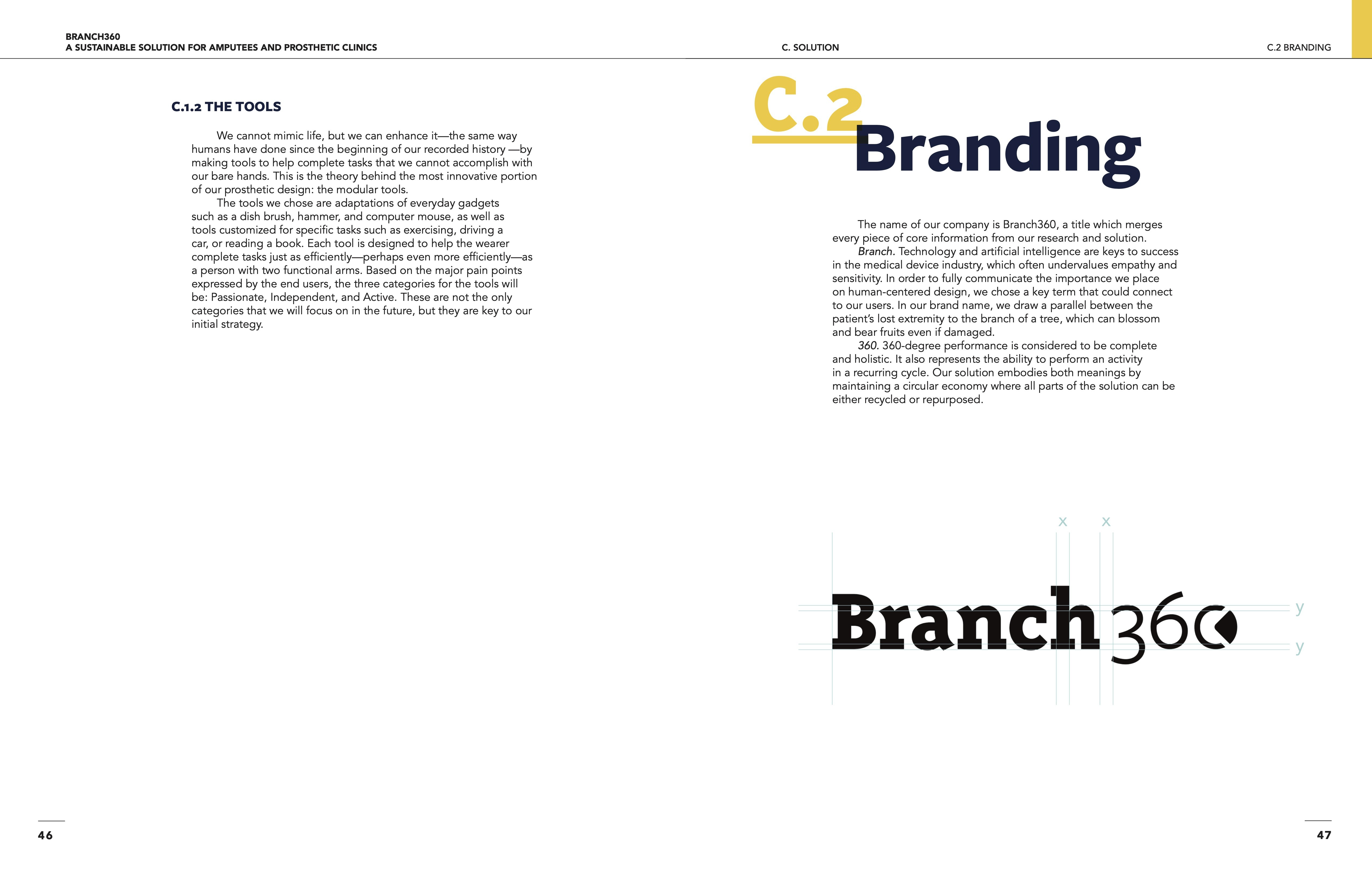
A spread from the thesis book describing the methodology behind the the brand identity.
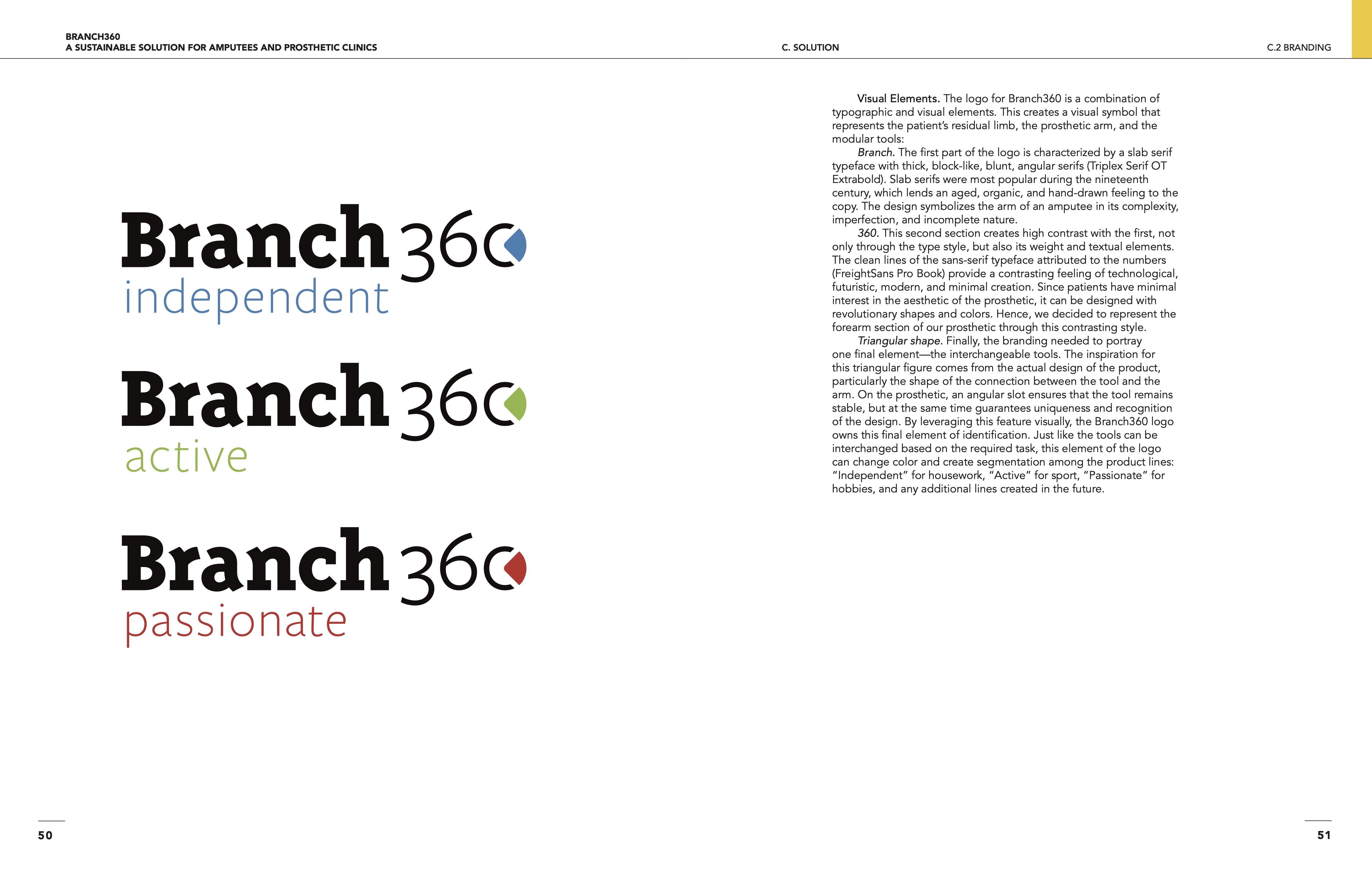
There are three categories for the tools: Independent, Active, and Passionate.
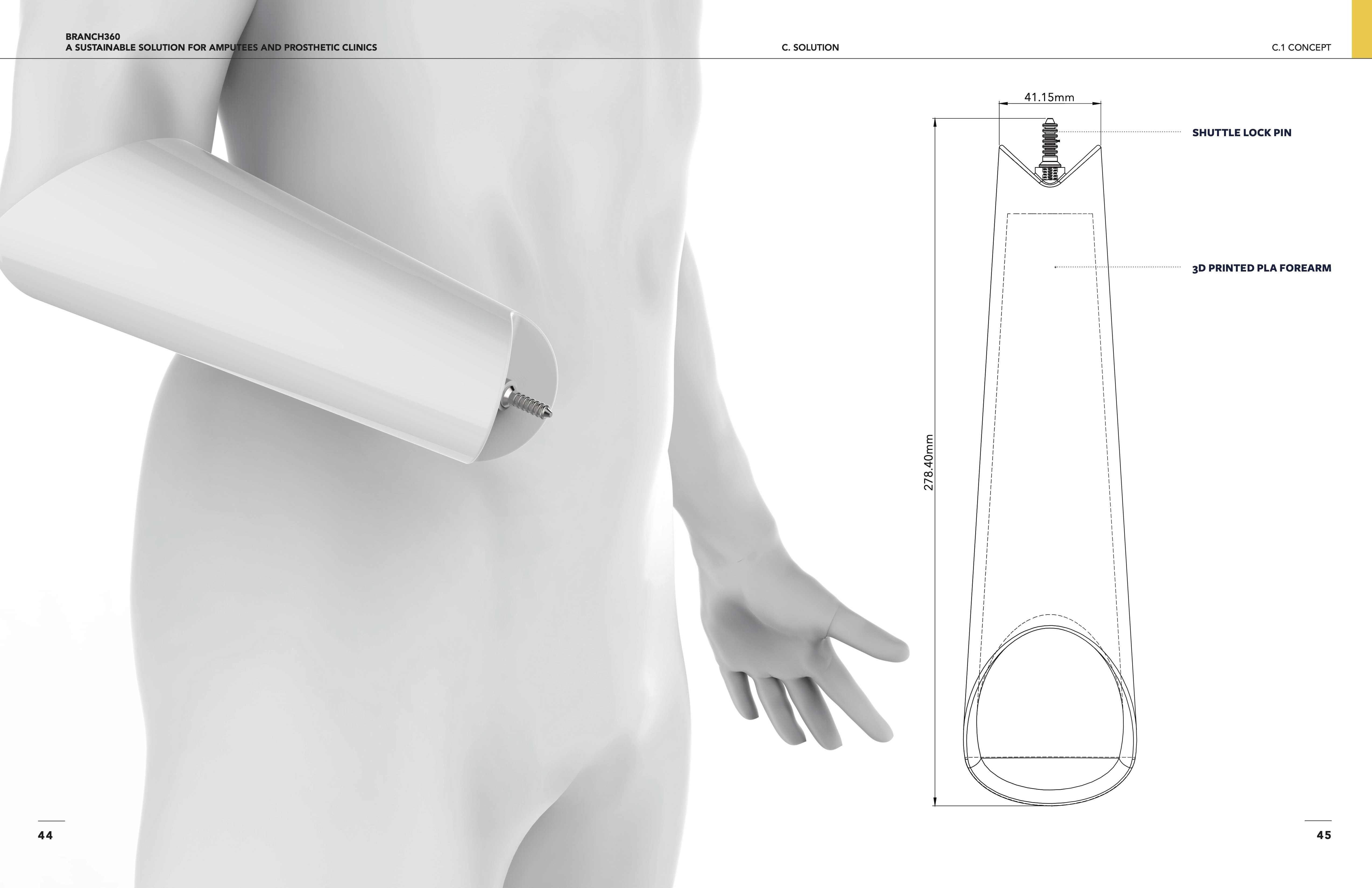
A rendering of the arm prosthetic that can receive the modular tools with the shuttle lock pin.
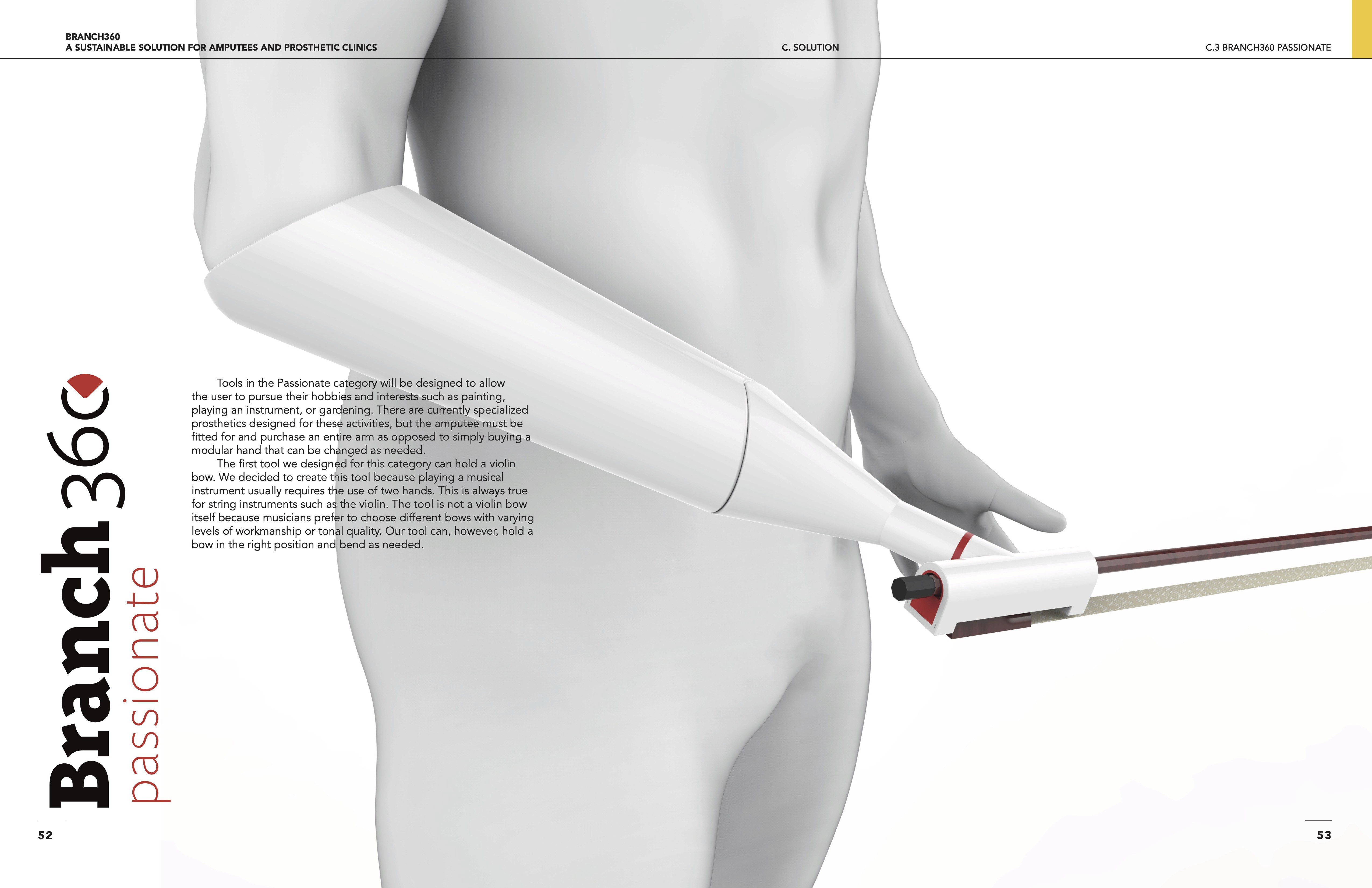
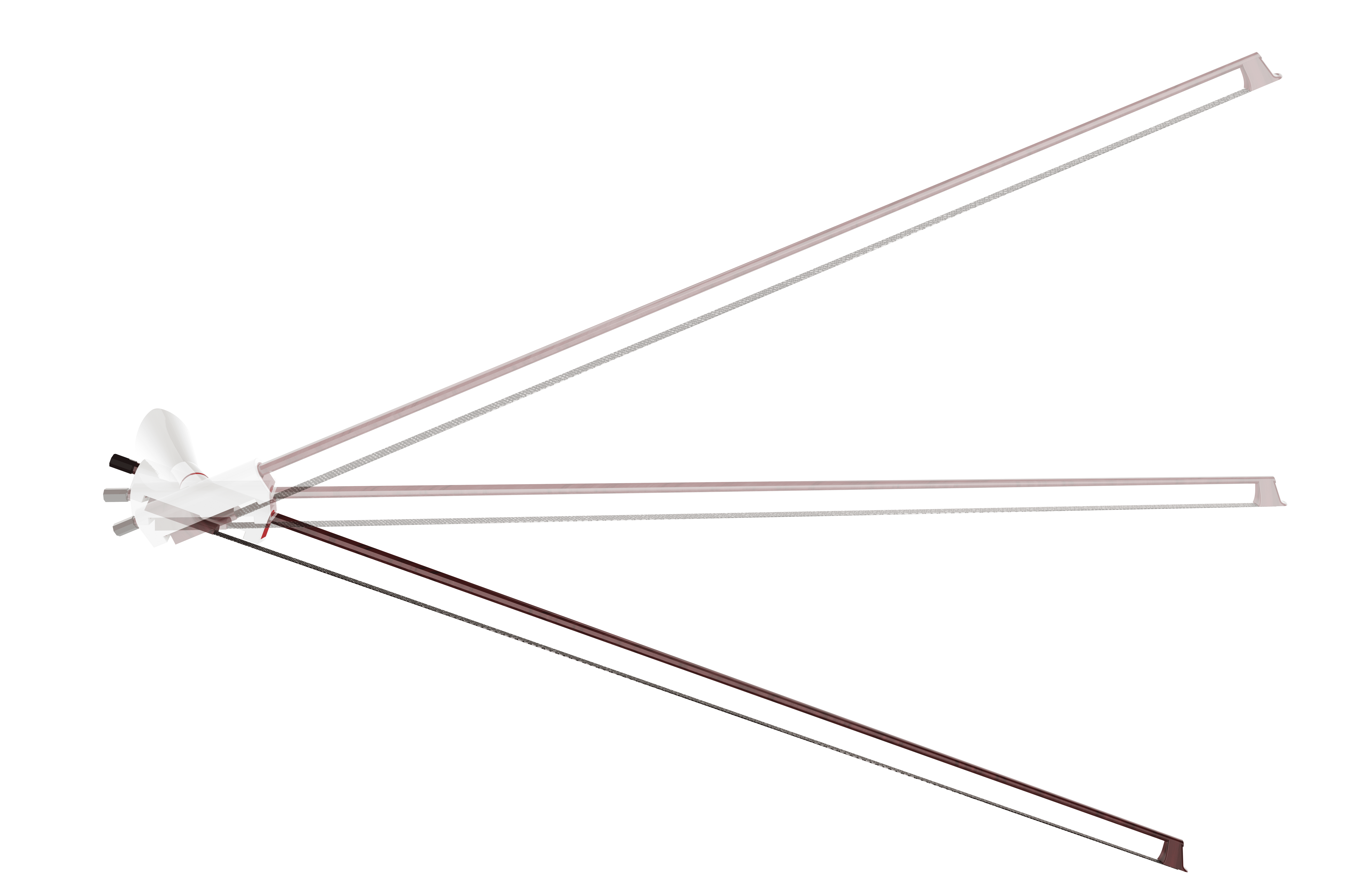
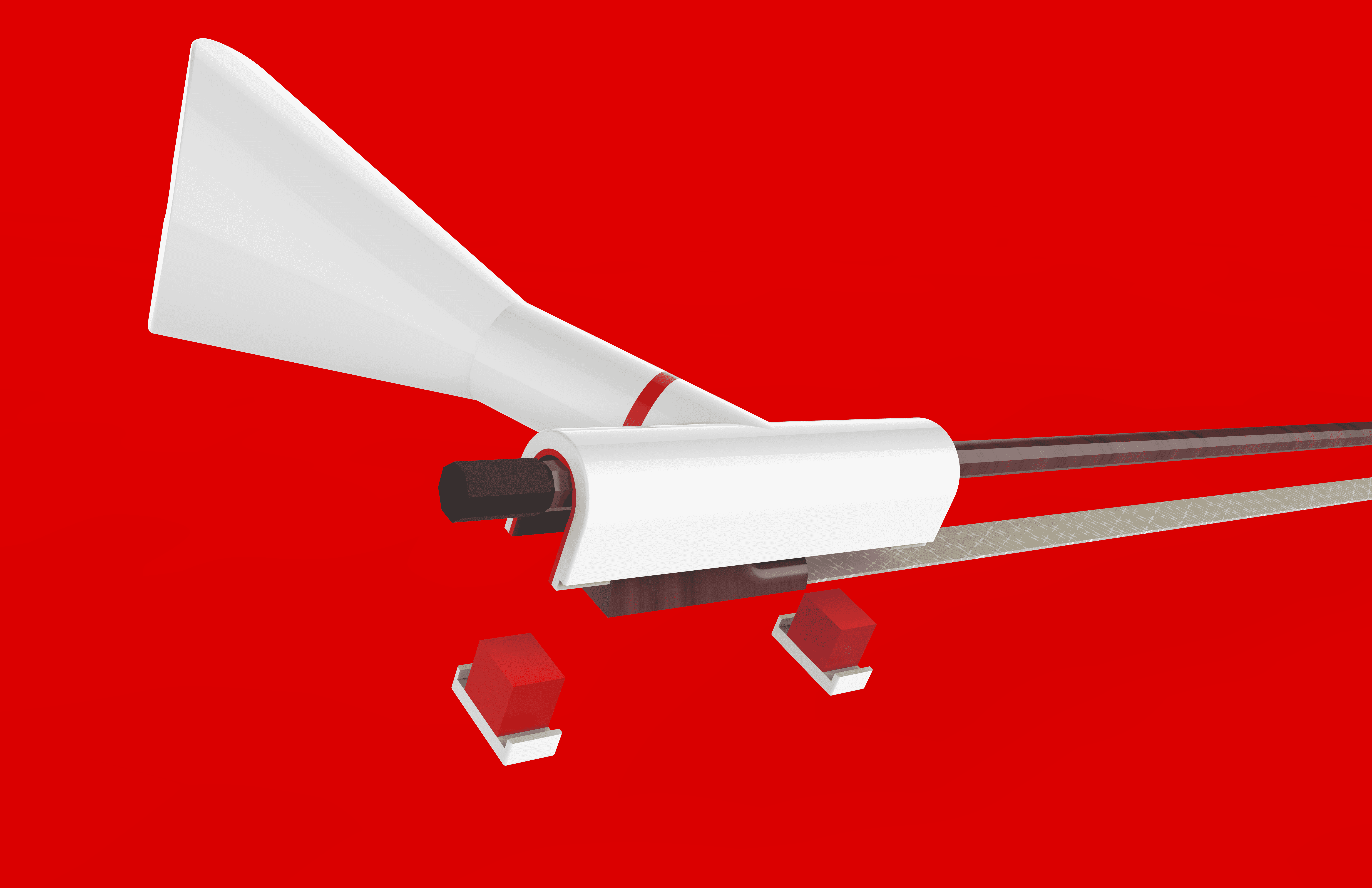
A rendering showing how the violin tool operates.
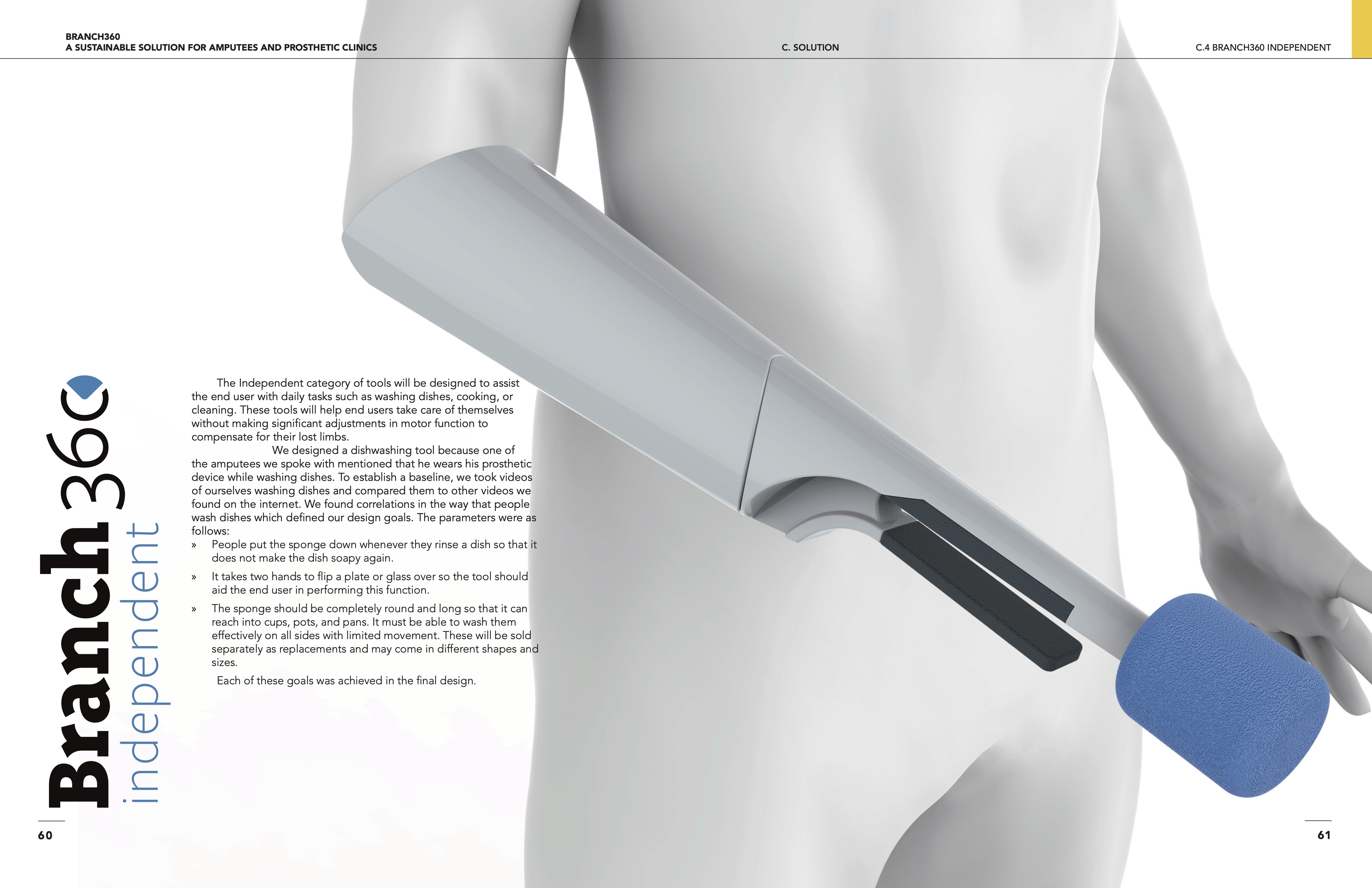
This tool is used specifically for cleaning dishes.
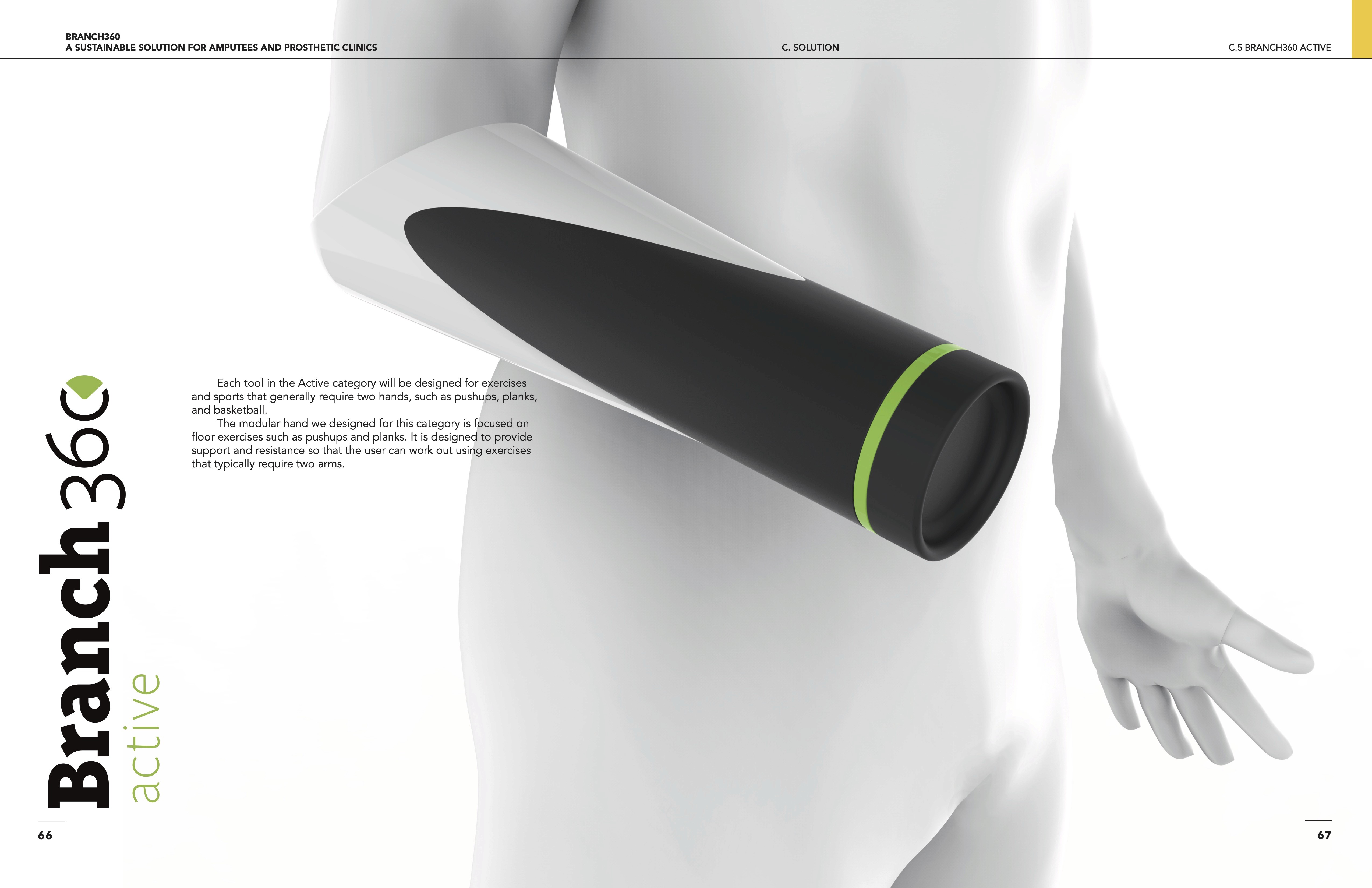
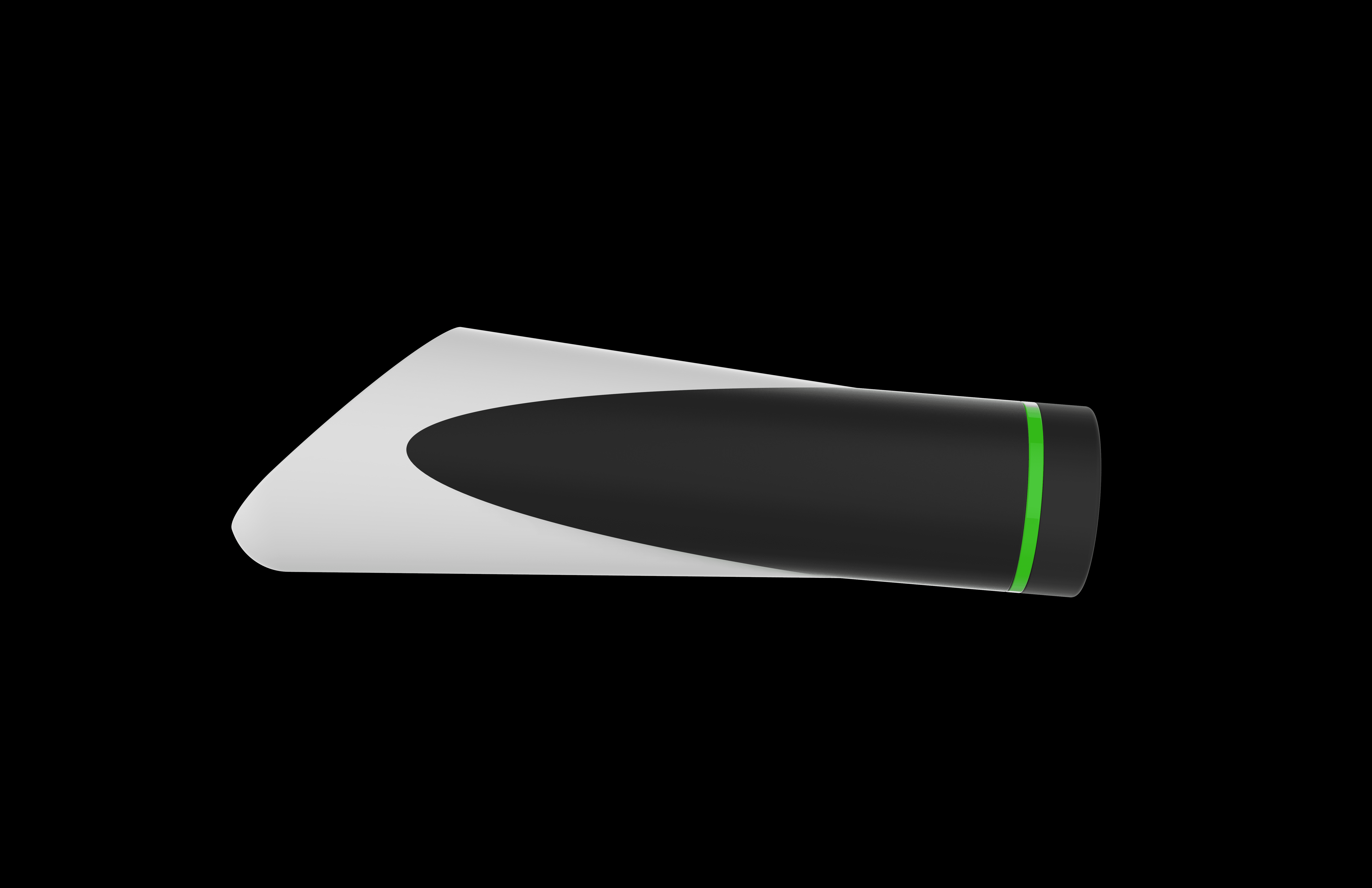
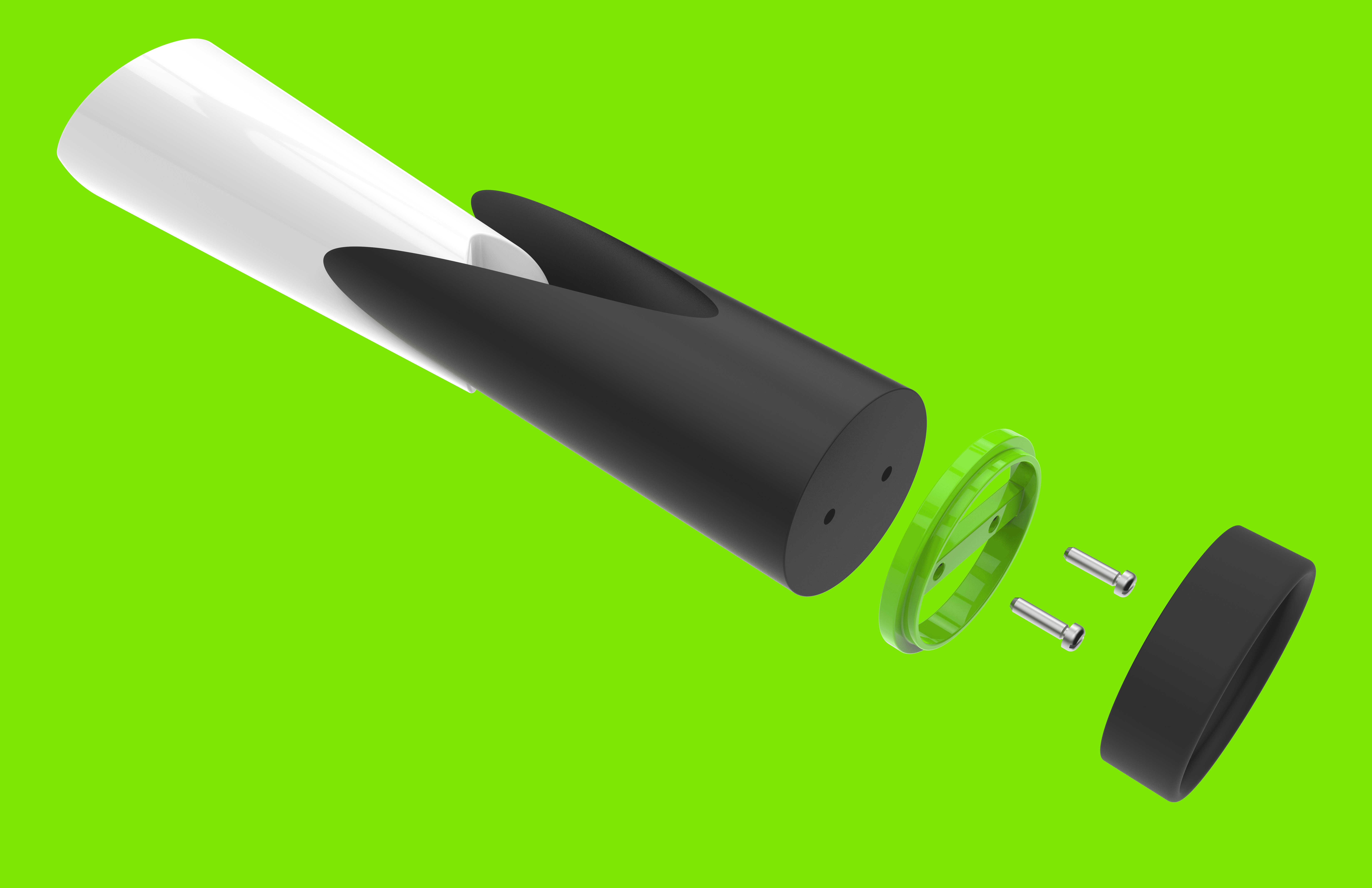
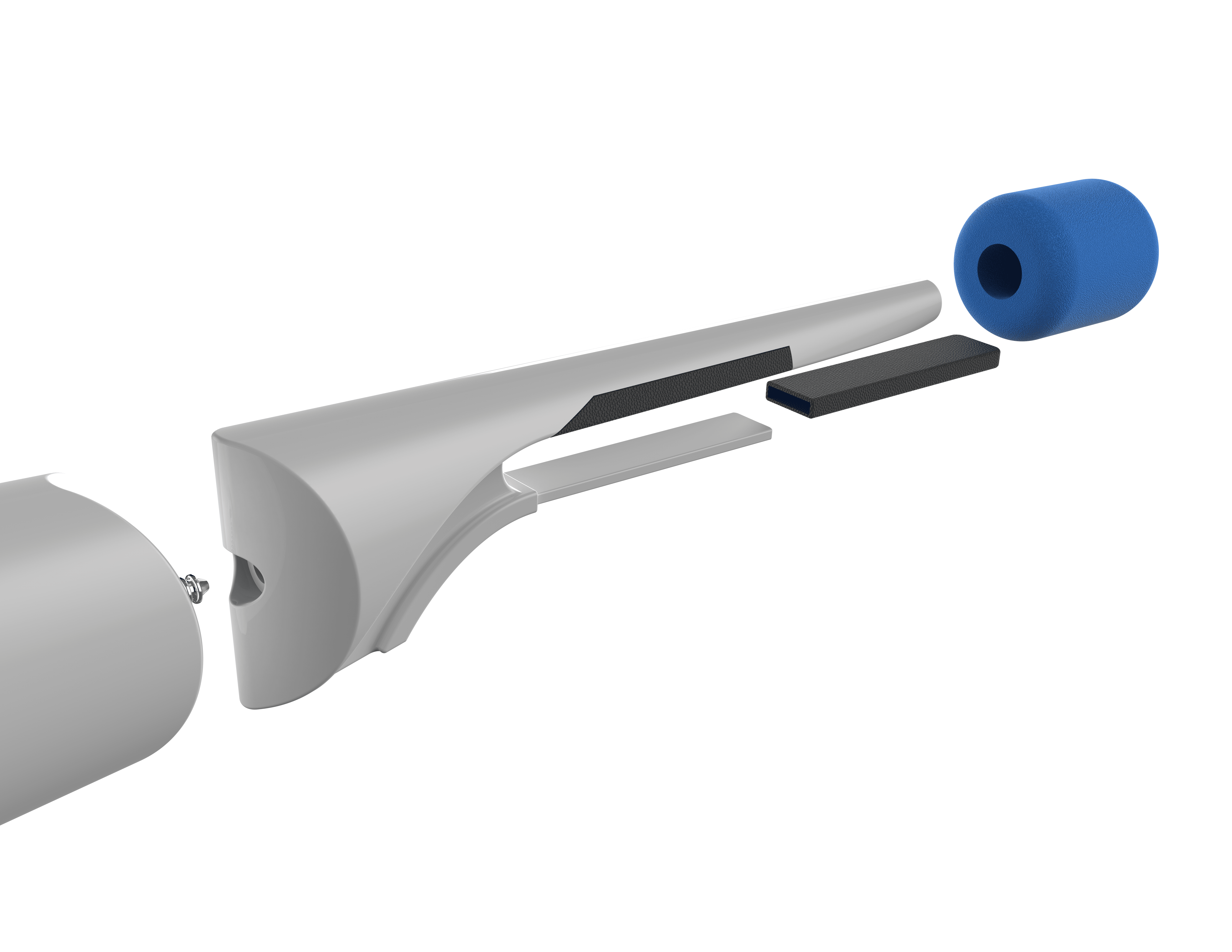
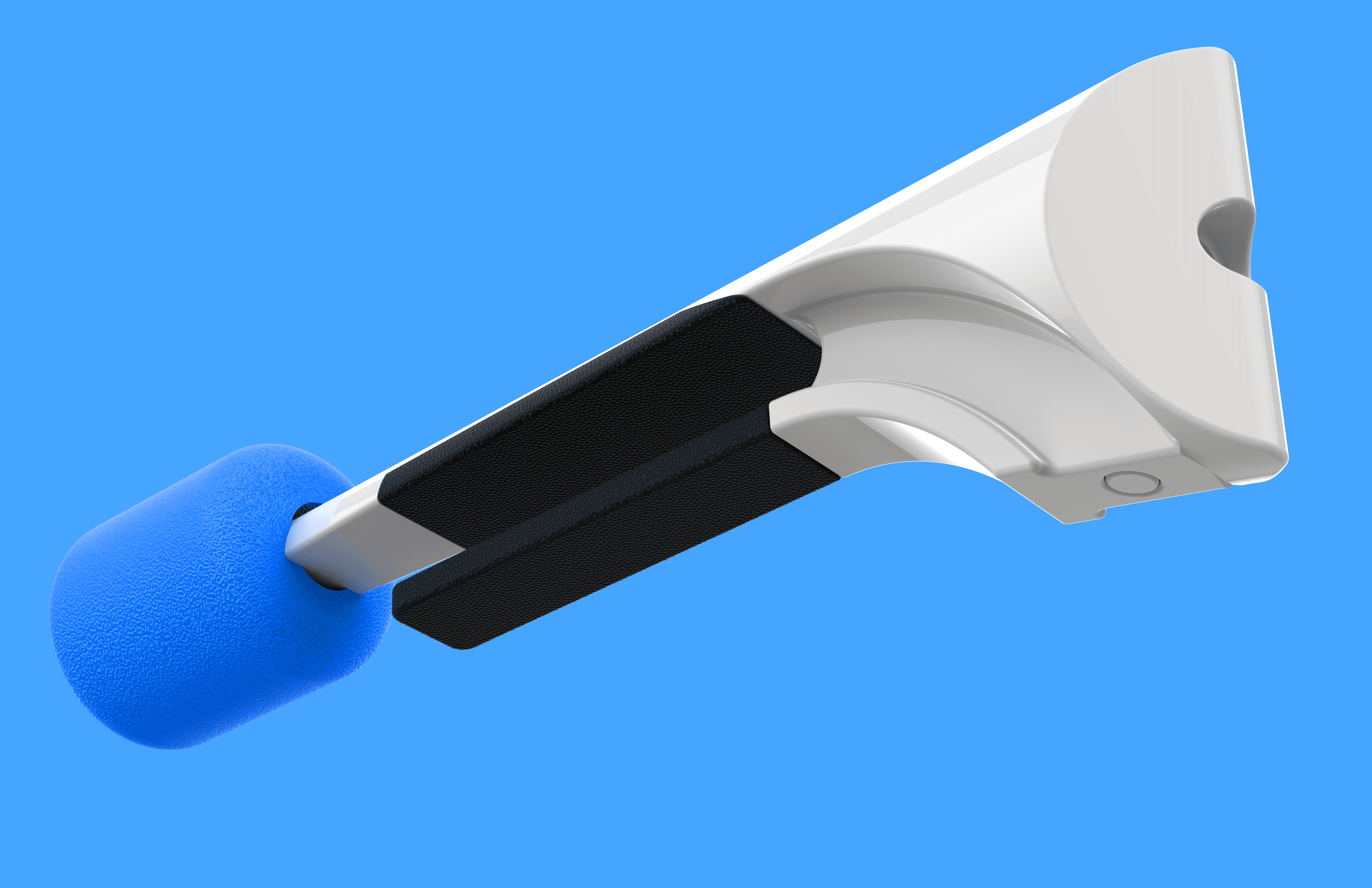
An exploded view of how the push up tool is assembled.
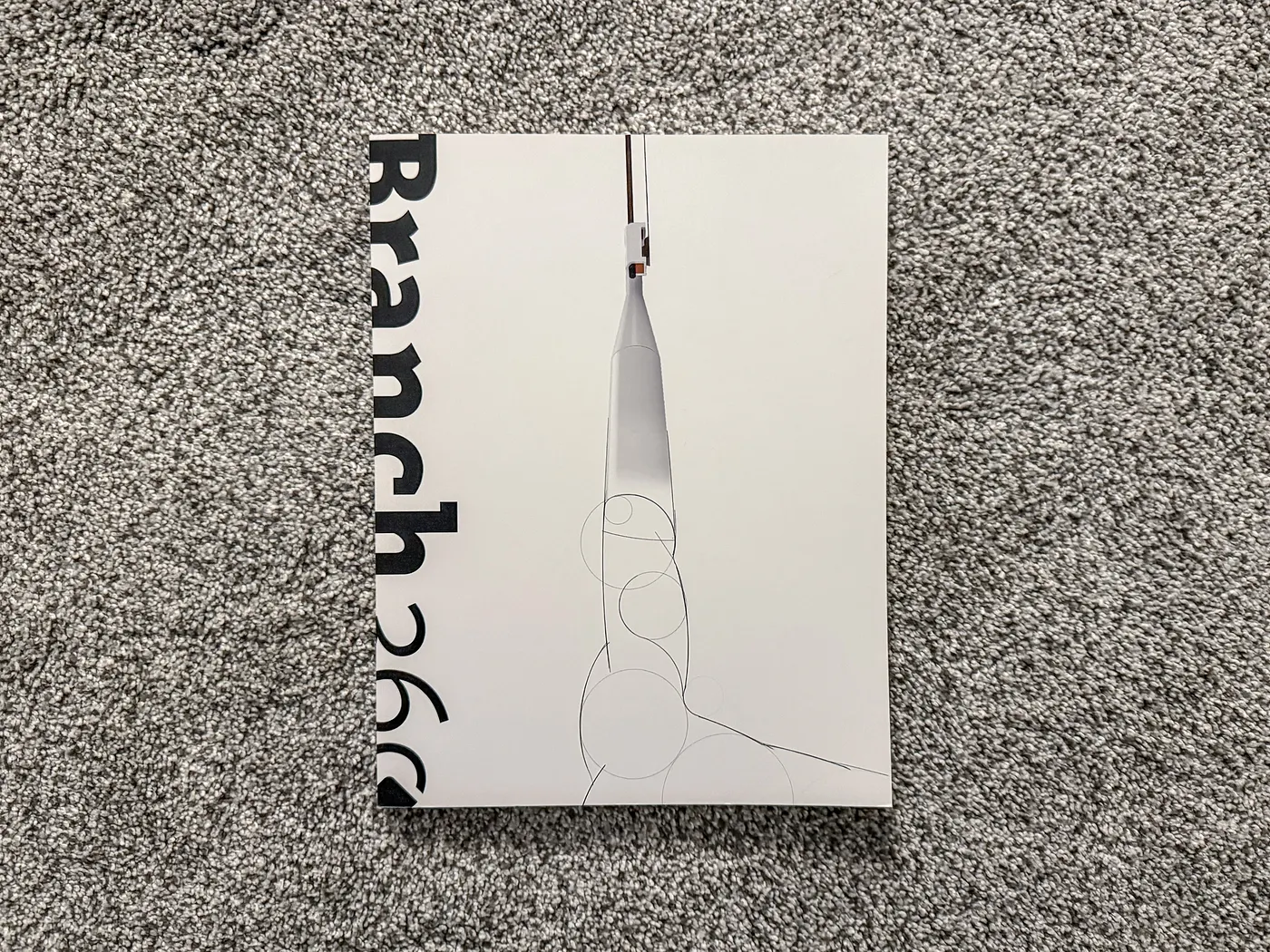
The final thesis book.
Publication
January 1, 2026
Credits
This project was completed in partial fulfillment of the requirements for the degree of Master of Professional Studies in the Design Management Program at the Shintaro Akatsu School of Design. The graphic design and illustrations are the work of Alice Scalfi. I worked on the design of the prosthetics and interchangeable tools. All three authors contributed to the research, writing, design thinking, and the concepts presented in the thesis.
Connect
Contact
hello@ryantherrien.com
508.562.1559
Colophon
This website was designed and typeset by Ryan Therrien, then built and hosted in Framer. The typefaces are Roboto Serif, designed by Greg Gazdowicz, and Roboto Mono, designed by Christian Robertson and published by Google.